Homeschool Mom Quote Design: A Stitcher’s Review
As a designer who spends half my life digitizing and the other half stitching out test runs, I have learned to look past the pretty preview images. When I first pulled up the Homeschool Mom Quote Design, Surviving, I wasn’t just looking for a cute phrase. I was evaluating it as a functional asset for real-world production. In the world of Crafts and Graphics, there is a distinct difference between a design that looks good on a screen and one that holds up under the needle on a textured towel or a stretchy sweatshirt.
The First Impression: Mood and Layout
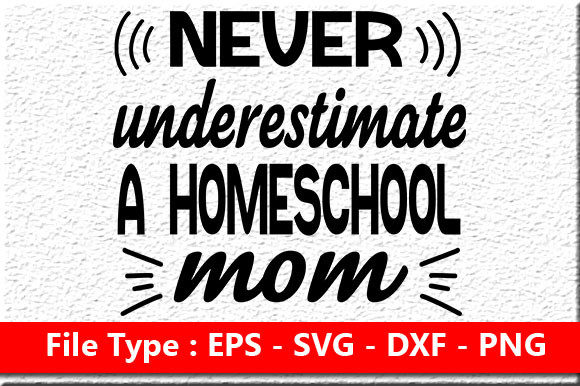
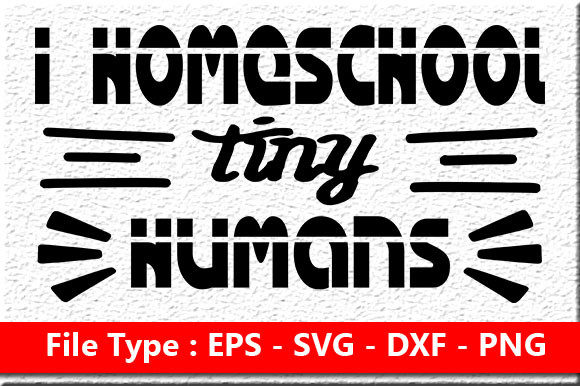
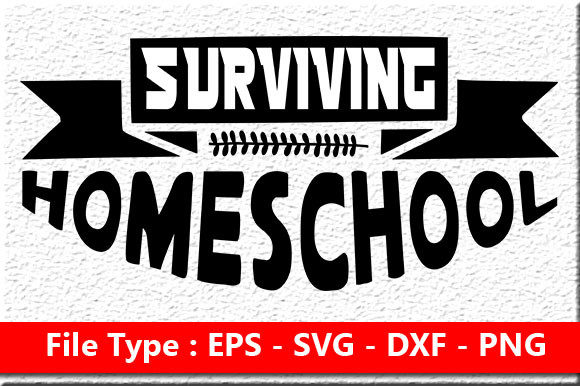
The immediate vibe of this piece is relatable resilience. It captures that specific, weary-but-proud energy of the homeschooling community. Visually, the layout feels balanced, avoiding the clutter that often plagues quote-based designs. For an embroidery project, clarity is king. If the letters are too tight or the decorative elements too dense, the thread merges into a blob after washing. This design appears to respect negative space, which is crucial for maintaining legibility, especially when scaling down for smaller items like baby onesies or pocket patches.
The theme is niche but powerful. It is not just a generic "Mom" design; it speaks directly to a subculture that values humor and endurance. This specificity makes it a high-value asset for Etsy sellers and small shop owners who need to stand out in a saturated market. The visual personality is clean enough to be modern yet expressive enough to feel handmade and personal.
Real-World Application: From Tote Bags to Sweatshirts
I recently considered this design for a custom order involving a set of canvas tote bags and a heavyweight cotton sweatshirt. The versatility of the Homeschool Mom Quote Design, Surviving became apparent during this planning phase. For the tote bag, the design needed to hold its own against the coarse weave of the canvas. Because the quote relies on strong typography, it translates well to larger hoop sizes where the text can breathe. On the sweatshirt, the challenge shifts to fabric stability. Fleece and heavy cotton blends can swallow fine details, so I had to mentally adjust my stitch density expectations.
This graphic is ideal for various custom apparel projects. Imagine it stitched on a cozy cardigan for a teacher appreciation gift or embroidered on a durable apron for a home economics classroom. It also works beautifully as a central element for holiday embroidery gifts, particularly for Mother’s Day or back-to-school seasons. The emotional resonance of the word "Surviving" adds a layer of humor that customers love to share on social media, increasing the potential for organic marketing for your craft business.
Navigating Fabric and Hoop Constraints
While the design is robust, it requires careful handling in certain scenarios. If you are working with thin fabric, such as a lightweight tee or a silky blouse, the stitch density must be managed carefully. Heavy fill stitches can cause puckering, ruining the professional look of the finished product. In these cases, using a high-quality cut-away stabilizer is non-negotiable. For stretchy fabrics, I always recommend testing the design on scrap material first to ensure the text does not distort when the garment is worn.
Curved surfaces present another challenge. If you plan to use this on caps or hats, the rigid front panel is your best friend. However, you must ensure the design fits within the standard cap frame without encroaching on the seams. Small hoop sizes, such as 4x4 inches, might require you to crop or simplify the design if the original file is large. Always check the dimensions provided in the digital embroidery file package before committing to a small hoop project.
Technical Considerations for the Serious Maker
One critical aspect of reviewing any machine embroidery design is understanding the file ecosystem. The product description notes that the ZIP file contains EPS, SVG, PNG, and DXF files. It is important to clarify a common misconception here: these are primarily vector and raster graphics formats, often used for cut machines like Cricut or Silhouette, and for printable mockups. They are excellent for creating design assets, vinyl decals, or sublimation prints. However, for actual machine embroidery, you typically need PES, DST, or JEF files. If this package does not include native embroidery formats, you will need to use digitizing software to convert the SVG or EPS into a stitch file. This step allows you to control the satin stitch width, running stitch connections, and overall stitch count.
If you are converting this graphic yourself, pay close attention to the corners of the letters. Sharp angles in vector graphics can result in excessive needle penetrations if not smoothed out in the digitizing process. I recommend using a combination of satin stitches for the main text to give it a raised, premium feel, and running stitches for any delicate outlines. Thread color contrast is another vital factor. On dark fabrics, a light or metallic thread will make the quote pop, while on light fabrics, deep navy or charcoal can provide a sophisticated, understated look.
Building Trust and Brand Value
For commercial embroidery and boutique branding, consistency is key. Using a well-balanced design like Homeschool Mom Quote Design, Surviving helps build customer trust. When a buyer receives a personalized gift that is legible, durable, and aesthetically pleasing, they are more likely to return. This design supports that goal by offering a clear, impactful message that doesn’t rely on overly complex shading or tiny details that might fray over time.
Whether you are creating an embroidered patch for a local homeschool co-op or designing a line of nursery decor, the professionalism of the final output depends on your preparation. Test the design on different fabric textures. Compare how it looks in black and white mockups to ensure the shape remains recognizable even without color. Check whether the license allows for commercial use if you plan to sell the finished items. These small steps separate hobbyists from successful creative entrepreneurs.
In conclusion, this design is a strong contender for your library of design assets. It offers emotional connection, visual clarity, and versatility across multiple product types. By respecting the technical limits of your machine and materials, you can turn this simple quote into a standout piece of handmade art that resonates with your audience.