Review: Christmas Dog in a Hat Santa with Quote
As an embroidery designer who has spent years digitizing patterns and testing them on everything from thick denim to delicate baby knits, I approach every new machine embroidery design with a mix of curiosity and skepticism. We have all seen the flood of holiday graphics that look charming on a screen but turn into a tangled mess of thread breaks and puckering once they hit the hoop. When I first opened the files for Christmas Dog in a Hat Santa with Quote, my immediate goal was not just to admire the cute corgi, but to determine if this asset could hold up in a real-world embroidery project.
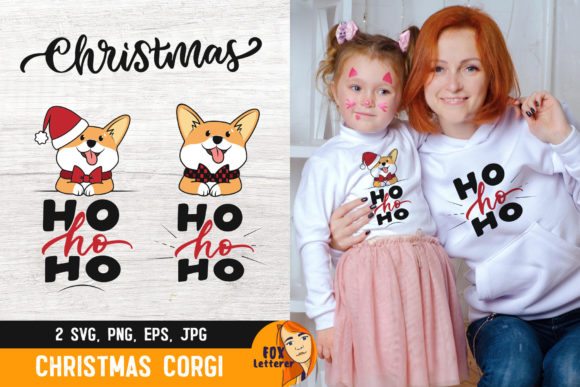
The design features a festive corgi wearing a Santa hat paired with the classic quote "Ho-ho-ho." At first glance, the visual personality is warm and inviting, capturing that specific cozy mood that drives holiday sales. However, charm alone does not make a viable product. I needed to see how the layout, detail level, and shape would translate when stitched out. For small business owners and Etsy sellers, the difference between a bestseller and a return often comes down to stitch clarity and durability.
First Impressions and Visual Appeal
The composition of Christmas Dog in a Hat Santa with Quote balances character and text effectively. The corgi serves as the focal point, while the quote adds context without overwhelming the image. In terms of Graphics within the Crafts category, this type of design relies heavily on clean lines. If the digital file has poor vectorization or unclear boundaries, the resulting embroidery will suffer. My initial review suggests that the silhouette is distinct enough to work well with standard fill stitch techniques, provided the digitizer has managed the stitch density correctly.
For those creating a personalized gift or a boutique item, the emotional resonance is key. This design feels approachable and family-friendly. It does not try to be overly complex, which is actually a strength. Simple, bold designs often read better from a distance and maintain their integrity after multiple washes. The "Ho-ho-ho" text appears integrated rather than tacked on, suggesting a thoughtful layout that considers the negative space around the dog.
Real-World Application: The Tote Bag Test
To truly evaluate this design, I imagined a specific use case: a custom embroidered tote bag for a holiday market. Tote bags are a staple for craft business owners because they are practical, high-visibility items. I visualized placing Christmas Dog in a Hat Santa with Quote on a heavy canvas bag. The 16x16 inch maximum dimension mentioned in the product details offers flexibility, but for a tote, I would likely scale it down to fit a standard 5x7 or 6x10 hoop size.
In this scenario, the design’s performance depends on thread contrast. A white or cream thread for the corgi against a navy or forest green bag would pop beautifully. However, if the design includes fine details in the dog’s fur or the Santa hat trim, these must be robust enough to survive the texture of canvas. I would recommend using a cut-away stabilizer to prevent distortion, especially since tote bags undergo significant stress during use. If the embroidery file is well-digitized, the satin stitches on the hat and the fill stitches on the body should lay flat without excessive buildup.
Versatility Across Products
Beyond tote bags, this design shows promise for various custom apparel items. Imagine it on a crewneck sweatshirt. Here, the softness of the fleece requires careful attention to backing. A soft tear-away stabilizer might suffice, but if the design is dense, a lightweight cut-away ensures longevity. The corgi motif is particularly effective for baby embroidery projects, such as onesies or bibs, where cute animal themes are perennial favorites. Parents love unique, handmade touches, and a well-stitched corgi can elevate a simple garment into a cherished keepsake.
For embroidered patch makers, this design could be adapted into an iron-on accessory. Patches require tight satin borders to prevent fraying. If the original file includes clean edges, it can be easily converted. Additionally, consider kitchen towels or aprons. The "Ho-ho-ho" quote adds a playful element that fits the casual nature of home textiles. Just ensure the thread colors are colorfast, as kitchen items face frequent washing and exposure to heat.
Technical Considerations and Caution Areas
While the design is appealing, there are areas where caution is necessary. Small hoop sizes can be tricky if the design retains too much detail. If you are stitching on a 4x4 hoop, you may need to simplify or crop elements, which could disrupt the balance between the dog and the text. Always check the preview in your embroidery software to ensure no critical parts are cut off.
Textured fabrics present another challenge. On a fluffy towel or a ribbed sweater, small details can get lost. The thread colors must have sufficient contrast against the fabric texture. Dark fabrics require careful planning; if the design uses light threads, you might need an underlay stitch or a backing layer to prevent the dark fabric from showing through the stitches. This is crucial for maintaining the professional look of your finished product.
Additionally, consider the stretch of the fabric. Stretchy materials like jersey knits for t-shirts require stabilization that moves with the fabric. If the stitch density is too high, the garment may pucker or become stiff. Test on scrap fabric first. This step is non-negotiable for any serious commercial embroidery work. It saves time, material, and reputation.
Designer Notes for Best Results
- Test on Scrap Fabric: Always run a test stitch-out on the same type of fabric you plan to use for the final product. This reveals issues with tension, density, and registration.
- Check Thread Contrast: Use a color chart to select threads that stand out against your chosen fabric. High contrast improves readability and visual impact.
- Review Stitch Density: If the design feels too stiff after stitching, reduce the density in your editing software. If it looks sparse, increase it slightly.
- Confirm Hoop Size: Ensure the scaled design fits comfortably within your hoop, leaving enough margin for clamping and stabilization.
- Inspect Small Details: Zoom in on the digital file. Are there tiny isolated stitches that might cause thread breaks? Simplify if necessary.
- Mockup in Black and White: This helps identify value contrast issues. If the design disappears in grayscale, it will likely lack definition in real life.
- Verify Licensing: Before selling items made with Christmas Dog in a Hat Santa with Quote, confirm the license terms. Some digital embroidery file providers allow commercial use of finished goods but restrict the resale of the digital files themselves.
In conclusion, Christmas Dog in a Hat Santa with Quote offers a solid foundation for holiday-themed projects. Its success lies in the execution. By paying attention to fabric choice, stabilization, and stitch quality, you can transform this digital asset into a high-value handmade product. Whether for a small shop product or a personal gift, the key is thoughtful application. Treat the design with the respect it deserves, and it will reward you with satisfied customers and beautiful results.