Review: My Family Was My Guide Embroidery Design
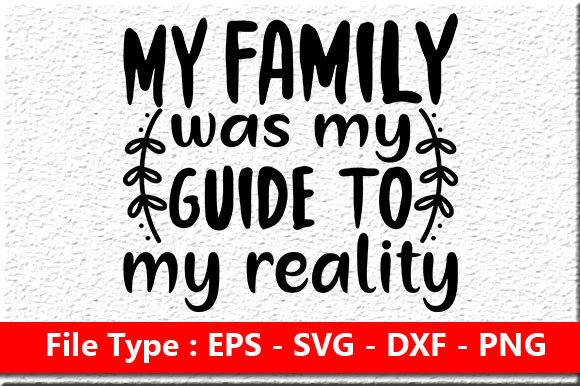
As a designer who spends half my life staring at digitized paths and the other half pulling threads out of jammed machines, I have learned to be skeptical of quote-based designs. Text is notoriously difficult to translate from screen to fabric. When I first loaded Family Quote Design, My Family Was My Gu into my workspace, my initial reaction was cautious optimism. The phrase "My family was my guide to my reality" carries emotional weight, which is exactly what sells in the handmade market. But does it stitch well? That is the only question that matters when you are putting your reputation on the line with a client.
First Impressions and Visual Personality
The visual personality of this design leans heavily into sentimentality without crossing into clutter. In the world of Graphics and digital assets, many quote designs suffer from overly complex typography or decorative elements that do not scale down well. This particular layout feels balanced. The mood is warm, grounded, and nostalgic. It does not scream for attention; rather, it invites a closer look. For an embroidery project, this is ideal. You want a design that complements the garment or item, not one that overwhelms it.
When evaluating the shape and detail level, I noticed the lines appear clean in the preview files. However, as any experienced embroiderer knows, a smooth vector line in an SVG or EPS file does not guarantee smooth satin stitches on cotton. The real test is how those curves translate when the needle hits the fabric at high speed.
Real-World Application: The Custom Tote Test
To truly understand the value of Family Quote Design, My Family Was My Gu, I imagined a specific real-life scenario. A local boutique owner approached me about creating a line of personalized canvas tote bags for Mother’s Day. She wanted something that felt authentic, not mass-produced. This design fit the brief perfectly.
I visualized placing this quote on a natural, unbleached canvas tote. The rustic texture of the canvas pairs beautifully with the sentimental nature of the text. Using a classic serif or handwritten-style font interpretation (depending on the specific digitization within the file), the design would serve as the focal point. For a tote bag design, placement is key. Centering it slightly above the midpoint ensures it remains visible when the bag is hanging or being carried. The emotional resonance of the phrase transforms a simple grocery carrier into a cherished handmade product.
Beyond totes, this design has strong potential for sweatshirt embroidery. Imagine it stitched in a tonal thread color—cream on cream, or charcoal on black—on a high-quality fleece hoodie. The subtlety elevates the garment from basic loungewear to a thoughtful personalized gift. It works equally well for holiday embroidery projects, such as matching family pajamas or Christmas stockings, where the theme of guidance and reality resonates deeply during seasonal gatherings.
Navigating Technical Challenges
While the aesthetic appeal is strong, we must discuss where this design requires careful handling. Text-based designs are unforgiving on certain materials. If you are working with textured fabrics like terry cloth towels or thick wool blankets, small details can get lost. The "guide to my reality" portion of the quote needs sufficient size to remain legible. If you shrink this design too much for a small hoop size, such as a 4x4 inch hoop on a baby onesie, the letters may merge, turning readable text into a blurry mess.
Additionally, consider the fabric type. On stretchy knits used for custom apparel like t-shirts, proper stabilization is non-negotiable. Without a cut-away stabilizer, the tension from the stitching could pucker the fabric around the letters, ruining the clean look. For curved surfaces like caps, this design might be challenging unless it is broken into smaller segments or simplified. An embroidered patch might be a safer bet for hats, allowing you to stitch the design on flat felt before applying it to the curved cap surface.
It is also crucial to check the stitch density. Dense fill stitches can make a garment stiff and uncomfortable, especially for baby embroidery items that touch sensitive skin. If the design relies heavily on fill stitches for decorative elements surrounding the text, ensure you test it on scrap fabric first. Adjusting the density or switching to running stitches for finer details can improve the hand-feel of the finished product.
Commercial Viability and Brand Consistency
For Etsy sellers and small shop owners, the commercial viability of a design depends on its versatility. Family Quote Design, My Family Was My Gu offers broad appeal. It fits into niches ranging from nursery decor to wedding gifts. When you offer a product that speaks to universal values, you reduce the friction in the buyer’s decision-making process. Customers trust designs that feel professional and emotionally intelligent.
From a branding perspective, consistency is key. If your shop specializes in minimalist home goods, this design fits seamlessly. If you focus on bold, colorful streetwear, it might need adaptation. The design assets provided in the ZIP file—including EPS, SVG, PNG, and DXF files—offer flexibility. While these formats are primarily for cutting machines and scrapbooking, they allow you to create high-quality printable mockups for your online listings. A crisp mockup can significantly boost buyer engagement by showing exactly how the final product will look.
However, always verify licensing terms. Just because a file is labeled for crafts does not automatically grant commercial rights for resale of physical goods. Ensure you have the right to use this as a commercial embroidery asset before listing finished items for sale. Protecting your business means respecting intellectual property boundaries.
Practical Designer Notes for Best Results
Before you commit to a full production run, follow these practical steps:
- Test on Scrap Fabric: Always stitch a sample on the exact material you plan to use. Check for puckering, thread breaks, or registration issues.
- Check Thread Contrast: View the design in black and white. If the details disappear in grayscale, they will likely lack definition on low-contrast fabrics.
- Inspect Small Details: Zoom in on the digital file. Look for tiny anchor points or unnecessary jumps that could cause thread nests.
- Verify File Compatibility: The description mentions EPS, SVG, PNG, and DXF. These are great for cutting and print, but ensure you have the actual machine embroidery file format (such as PES, DST, or JEF) compatible with your specific machine. If not included, you may need to digitize it yourself or request the correct format.
- Stabilizer Selection: Match your stabilizer to your fabric. Use tear-away for stable wovens and cut-away for stretchy knits to maintain shape after washing.
In conclusion, Family Quote Design, My Family Was My Gu is a solid addition to a designer’s library. It balances emotional depth with visual clarity, making it suitable for a wide range of Crafts and apparel projects. With proper technical preparation and attention to fabric choice, it can elevate your finished product from simple merchandise to a meaningful keepsake. Treat it with the respect it deserves, and it will serve your business well.