Reviewing the Halloween T-Shirt Design Clip Art SVG
As an embroidery designer who has spent years digitizing files and testing them on everything from delicate baby onesies to heavy canvas tote bags, I approach every new machine embroidery design with a critical eye. We all know that what looks crisp on a computer screen does not always translate perfectly to thread and fabric. Recently, I evaluated the Halloween T-shirt Design,Clip Art Svg to determine if it holds up under the needle for real-world commercial and personal projects. This isn’t just about aesthetics; it is about functionality, stitch quality, and marketability.
First Impressions and Visual Personality
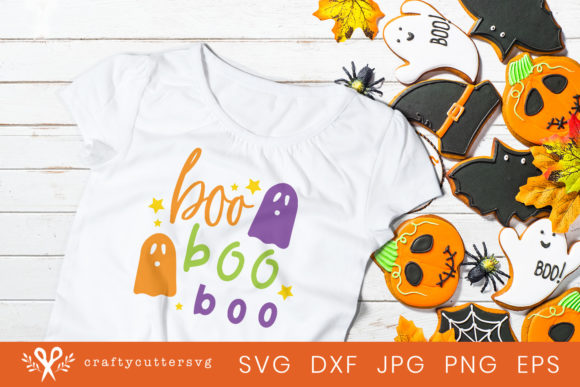
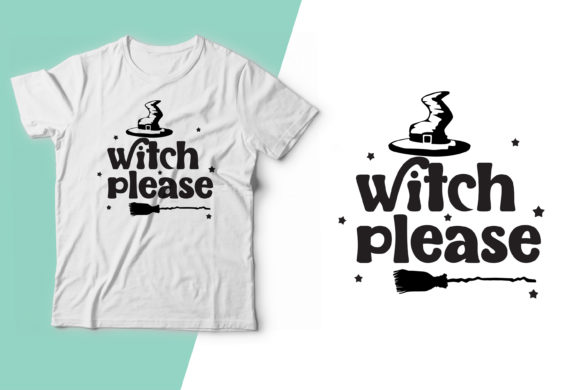
The first thing that strikes you about this Graphics asset is its approachable charm. Dedicated to all Halloween lovers, the design features a Happy Halloween quote rendered in an adorable style. It avoids the overly gory or terrifying tropes often seen in October decor, opting instead for a whimsical vibe that appeals to a broader audience. This visual personality is crucial for Crafts sellers because it opens up markets beyond traditional horror fans, including families, teachers, and boutique shoppers looking for festive but friendly apparel.
The layout places the text on a separate board, which is a smart structural choice for digitizers. It allows for clear separation between elements, reducing the risk of thread breaks caused by excessive jump stitches or dense clustering. When I visualize this as an embroidery project, I see immediate potential for high-contrast thread colors. The clean lines suggest that it would perform well with satin stitches for the lettering and potentially fill stitches for any accompanying graphic elements, provided the density is managed correctly.
Real-World Application: From Screen to Stitch
To truly test the viability of this design, I imagined a specific scenario: preparing a custom order for a local boutique’s fall collection. The client wanted a line of unisex sweatshirts and canvas tote bags. Here is how the Halloween T-shirt Design,Clip Art Svg fits into that workflow.
For sweatshirt embroidery, the design’s scale needs careful consideration. Sweatshirts have a textured, looped surface that can swallow small details. Because this design features a quote, legibility is paramount. If the lettering is too thin, the texture of the fleece will distort the message. However, the "adorable" nature of the font suggests a slightly bolder weight, which is ideal for this fabric. Using a cut-away stabilizer would ensure the garment maintains its shape without puckering around the stitched area.
When applied to a canvas tote bag design, the story changes slightly. Canvas is stable and forgiving, making it an excellent candidate for detailed work. The separate board element of the design could be interpreted as a distinct visual block, allowing for creative color blocking. For instance, stitching the quote in a bright orange thread colors against a black bag creates instant recognition, while a pastel palette could soften the look for a nursery or children’s room item. This versatility makes it a strong contender for handmade product lines that need to appeal to diverse customer bases.
Navigating Technical Challenges
While the design is promising, there are areas where caution is necessary. As an experienced reviewer, I always look for potential pitfalls before committing to a full production run. One major concern with any quote-based digital embroidery file is the size of the text relative to the hoop. If you attempt to shrink this design for a baby embroidery project, such as a bib or a small hat, the intricate parts of the letters may merge or become indistinct. It is vital to check the minimum recommended size before purchasing or stitching.
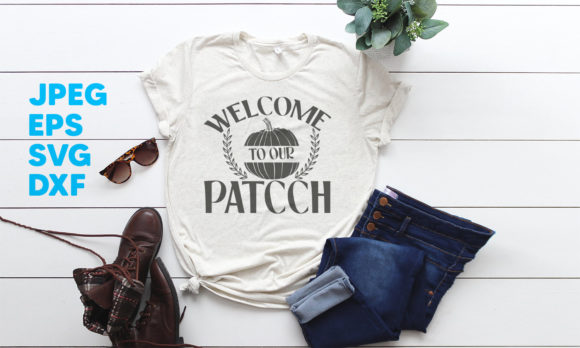
Additionally, the file formats available—EPS, JPG, SVG, and DXF—indicate that this is primarily a vector and raster graphic package. This is a critical distinction for embroiderers. These formats are perfect for printing, sublimation, or vinyl cutting, but they are not native machine embroidery files like PES or DST. To use this as a machine embroidery design, you must digitize it yourself or convert it using specialized software. This step requires skill. You must manually assign stitch types, determining where to use a running stitch for outlines versus a satin stitch for borders. Without proper digitizing, the "separate board" concept might lead to alignment issues if not registered correctly during the hooping process.
Dark fabrics present another challenge. If you are stitching this on a black hoodie, you cannot rely on the background color to define the edges. You must ensure that your digitizing includes a proper underlay and that the top threads have sufficient coverage. A poorly digitized conversion from SVG to embroidery format can result in gaps where the dark fabric shows through, ruining the professional look of the finished product.
Commercial Viability and Brand Consistency
For Etsy seller accounts and small shop product lines, consistency is key. This design offers a cohesive look that can be adapted across various items, from aprons to pillow covers. Its friendly aesthetic builds trust with customers who might be hesitant about more aggressive Halloween imagery. When used in commercial embroidery, it enhances brand perception by showing attention to detail and trend awareness.
However, licensing is a non-negotiable aspect of professional practice. Since the product description mentions it is dedicated to Halloween lovers and available in multiple graphic formats, you must verify the license terms. Can you sell the personalized gift items you create? Can you resell the digital files? Always confirm these details before listing items on your storefront. Using assets without proper commercial rights can jeopardize your craft business reputation and legal standing.
Practical Designer Notes for Best Results
Before you load this design into your machine, follow these practical steps to ensure success:
- Test on Scrap Fabric: Never stitch directly on your final garment. Use a similar weight and texture scrap to check tension and registration.
- Check Thread Contrast: View your design in black and white mockups. If the elements blend together without color, the design lacks sufficient contrast for clear visibility.
- Verify Digitizing Quality: Since this comes in SVG/EPS, ensure your conversion process maintains the integrity of the "separate board" layout. Check for unnecessary nodes that could cause machine hesitation.
- Assess Stitch Density: High density can cause puckering on thin fabrics. Adjust your pull compensation settings if you are working with stretchy materials like jersey knits.
- Confirm Hoop Size: Ensure the design fits comfortably within your hoop with adequate margin for clamping, especially for larger sweatshirt placements.
In conclusion, the Halloween T-shirt Design,Clip Art Svg is a versatile asset for creators who understand the bridge between graphic design and textile art. It offers a charming, marketable aesthetic that fits well within the holiday embroidery niche. However, its success depends entirely on the skill of the digitizer and the preparatory work of the embroiderer. By respecting the technical requirements of fabric, thread, and stabilizer, you can transform this simple graphic into a high-value custom apparel piece that delights customers and elevates your brand.