Reviewing the Holiday Baking Potholder Quote Design
As a designer who has spent countless hours digitizing and stitching out machine embroidery design files, I have learned that not every graphic translates well to thread. When I first opened the Potholder Quote Design, Holiday Baking T, my immediate reaction was one of cautious optimism. The theme is undeniably charming, tapping into the cozy, nostalgic vibe of winter kitchens and family gatherings. However, charm alone does not make a viable embroidery project. We need to look at how this digital embroidery file behaves under the needle, especially when intended for real-world applications like custom apparel or boutique home goods.
First Impressions and Visual Personality
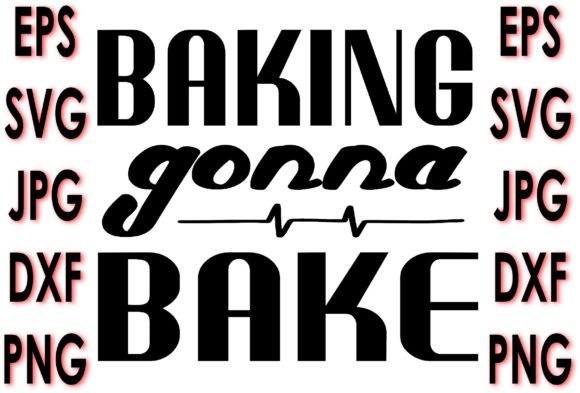
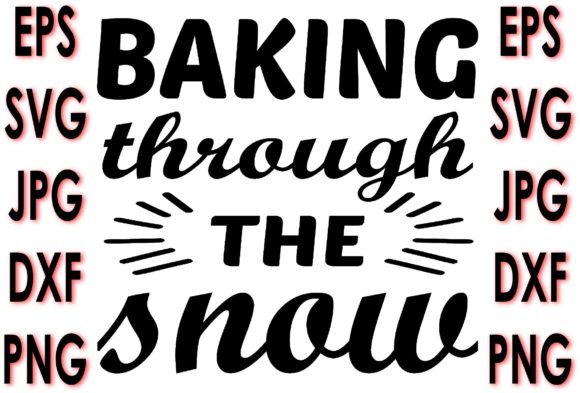
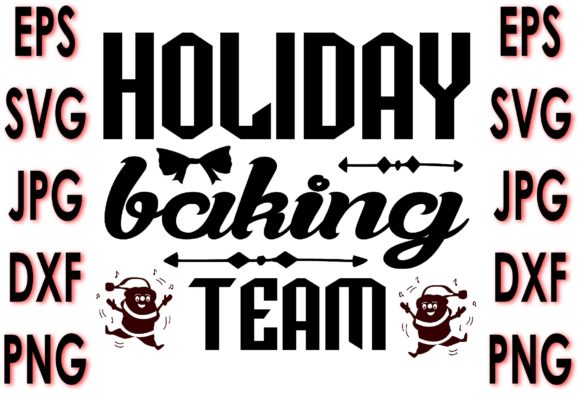
The layout of this design suggests a playful yet structured approach. For those of us in the Crafts and Graphics space, we know that text-heavy designs can be tricky. The quote element here needs to maintain legibility without becoming a dense block of thread. My initial assessment focuses on the balance between the decorative elements and the lettering. Does it feel cluttered? In this case, the spacing appears generous enough to allow the fabric to breathe, which is crucial for maintaining a professional look in a handmade product.
The mood is warm and inviting, making it an ideal candidate for holiday embroidery projects. It fits naturally into the aesthetic of modern farmhouse decor or rustic chic branding. If you are an Etsy seller looking to expand your seasonal catalog, this type of imagery resonates strongly with buyers seeking personalized touches for their homes.
Real-World Application: The Custom Apron Test
To truly evaluate this design, I imagined applying it to a heavy cotton canvas apron, a staple item for any craft business during the holiday rush. The concept is simple: a gift for the family baker. When visualizing the finished product, the design sits comfortably on the bib of the apron. It is large enough to be read from a distance but detailed enough to reward closer inspection.
Beyond aprons, this design has versatility. It would work exceptionally well as a tote bag design for grocery runs or farmers' market trips. The sturdy nature of tote canvas supports the weight of the stitches, preventing puckering. I also see potential for sweatshirt embroidery, where the soft texture of fleece or French terry provides a lovely contrast to the crisp lines of the quote. For small shop product lines, offering this on tea towels or pillow covers could create a cohesive holiday collection.
Navigating Fabric and Stitch Challenges
While the design is appealing, practical execution requires attention to detail. One must consider the stitch density. If the text portions are too dense, they can cause the fabric to pucker, especially on lighter materials. I recommend testing this on scrap fabric before committing to a final piece. Pay close attention to the corners of the letters and any decorative flourishes. These areas are prone to thread breaks or nesting if the tension is not perfectly calibrated.
For textured fabrics, such as waffle-weave towels or thick wool blends, the finer details might get lost. In these cases, simplifying the thread palette can help. Using high-contrast thread colors ensures the design pops against the background. Conversely, on dark fabrics, ensure your thread choice has enough sheen or brightness to stand out. A matte thread on black cotton might disappear, whereas a rayon or polyester thread with a slight luster will catch the light and enhance visibility.
Another critical factor is the hoop size. Ensure your machine’s hoop can accommodate the full dimensions of the design without requiring re-hooping, which can lead to alignment issues. If you are working on curved surfaces like caps, this design might be too wide or complex. It is better suited for flat or slightly curved surfaces like embroidered patch blanks or flat-lay items.
Commercial Viability and Brand Consistency
For commercial embroidery professionals, consistency is key. This design offers a clean look that aligns well with boutique branding. It does not scream "amateur," which is vital for building customer trust. When customers receive a personalized gift that looks polished and well-executed, they are more likely to return and recommend your services. The visual appeal of this design contributes directly to perceived value.
However, before selling any design assets or finished items, you must verify the licensing terms. The product description mentions EPS, SVG, PNG, and DXF files, which are typically used for cutting machines and vinyl decals. This raises an important point for embroidery designers: ensure you have the correct file format for your machine. While SVG and DXF can sometimes be imported into embroidery software, they are not native embroidery file formats like PES or DST. You may need to digitize the vector shapes yourself or confirm if a stitch file is included. Never assume compatibility; always check the source.
Practical Designer Notes for Best Results
- Test on Scrap Fabric: Always run a test stitch-out on the same type of fabric you plan to use for the final product. This helps identify tension issues and density problems early.
- Check Stabilizer Compatibility: Use a cut-away stabilizer for stretchy fabrics like sweatshirts to prevent distortion over time. For woven fabrics like aprons, a tear-away may suffice, but a mesh top stabilizer can help keep stitches clean.
- Review Stitch Density: If the design feels stiff after stitching, consider reducing the density in your editing software or using a lighter weight thread.
- Contrast is Key: Create black and white mockups to ensure the design remains legible without color reliance. This is particularly useful for printable mockup previews on your online store.
- Verify File Formats: Since the package includes vector and image files, confirm if a native machine embroidery file is provided. If not, factor in the time needed for digitizing or conversion.
Final Verdict on the Holiday Baking Theme
The Potholder Quote Design, Holiday Baking T is a strong contender for seasonal projects. Its strength lies in its emotional resonance and versatile layout. It is not just a graphic; it is a storytelling element that enhances the narrative of home and hearth. For apparel decorators and creative entrepreneurs, it offers a reliable asset that can be adapted across various products, from baby embroidery items like bibs to larger home decor pieces.
Remember, the success of any embroidery project depends less on the digital file itself and more on how it is executed. By paying attention to fabric choice, stabilizer selection, and thread quality, you can transform this digital asset into a tangible, high-quality product. Whether you are creating a custom apparel line for a local boutique or crafting unique gifts for friends, this design provides a solid foundation. Just ensure you respect the technical limitations of your machine and materials, and you will achieve a result that delights both you and your customers.