Reviewing USA, 4th of July Quote Sublimation for Stitchers
As a designer who spends half my life staring at digitized paths and the other half pulling thread through fabric, I have learned to look past the glossy preview images. When I first opened the files for USA, 4th of July Quote Sublimation, my initial reaction was not just about the patriotic theme, but about the structural integrity of the layout. This is a common hurdle for many crafters: finding a design that looks good on a screen but holds up under the needle. This particular asset, categorized under Crafts and Graphics, presents an interesting case study for those of us bridging the gap between digital sublimation prints and traditional machine embroidery.
First Impressions and Visual Mood
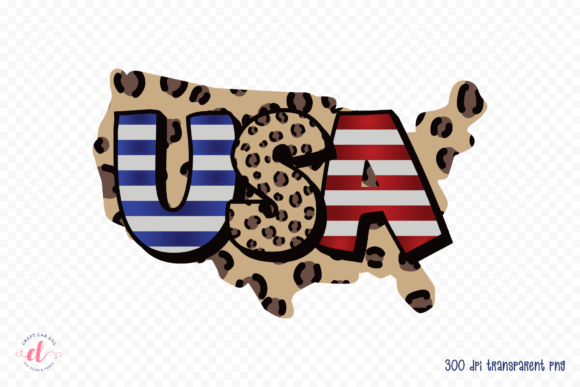
The design carries a bold, celebratory mood. It is not subtle, nor should it be. Fourth of July projects demand visibility and spirit. The quote element suggests a typographic focus, which is always the trickiest part of any embroidery project. In my experience, text-heavy designs can easily become illegible if the stitch density is too high or if the font choice is too thin. Upon reviewing the 12x12 inch layout provided in the high-resolution PNG and JPG files, I noticed the spacing appears generous. This is a positive sign for readability, especially when scaling down for smaller items like baby clothes or patches.
The transparent background mentioned in the product description is crucial for us. It allows me to place the graphic over various fabric textures in my design software to simulate how the final finished product might look. Whether I am visualizing it on a rough canvas tote or a smooth polyester blend for a sweatshirt, the ability to isolate the graphic helps in planning thread colors and stabilizer choices.
Real-World Application: The Tote Bag Test
To truly evaluate this design, I imagined a specific real-life scenario: creating a set of reusable market totes for a local boutique client. They wanted something festive but durable. Using USA, 4th of July Quote Sublimation as a reference for placement, I considered how the design would interact with the weave of a heavy cotton duck fabric. For a tote bag, the design needs to withstand tension. If this were a pure embroidery file, I would be checking for pull compensation. Since this is a graphic asset intended for sublimation or print-and-stitch hybrids, the clarity of the 300 DPI resolution becomes paramount.
If you are an Etsy seller or run a small shop product line, you know that customers touch everything. A blurry print or a poorly stitched outline ruins perceived value. This design’s crisp edges in the PDF and image files suggest it would transfer cleanly onto sublimation blanks. However, if you plan to embroider over it or use it as a template for hand-stitching, you must ensure the lines are distinct enough to follow. The 12x12 inch size is versatile, fitting well on standard hoop sizes without requiring excessive resizing that could distort the lettering.
Navigating Fabric and Technique Challenges
While the design is robust, there are areas where caution is necessary. Not every fabric behaves the same way. If you are applying this to stretchy materials like jersey knits for custom apparel or sweatshirt embroidery, you must use a cut-away stabilizer. The weight of the ink or thread can cause lightweight fabrics to pucker if not properly supported. For dark fabrics, the transparency of the design files means you need to check contrast carefully. A red, white, and blue motif might get lost on navy blue if the white elements are not bright enough or if the sublimation process does not account for the base color.
Another critical consideration is the surface curvature. If you are adapting this concept for caps or hats, the 12x12 inch square format will need significant adjustment. Curved surfaces distort straight lines. I would recommend testing the design on a scrap piece of similar fabric before committing to a final handmade product. This is especially true for embroidered patch creation, where the edges need to be clean and the internal details dense enough to prevent fraying.
Commercial Viability and Brand Consistency
For commercial embroidery professionals and creative entrepreneurs, consistency is key. This design fits well within the broader category of holiday-themed design assets. It allows for quick turnaround times because the heavy lifting of layout and typography is already done. However, you must verify the licensing terms. The note states that the download does not include certain rights, so it is imperative to read the full license agreement before selling personalized gift items or using this in mass-produced craft business inventory.
Using this graphic for printable mockup creation is also a smart move. You can showcase your potential products to clients before stitching a single thread. This reduces waste and increases customer trust. When a client sees a professional-looking preview generated from high-quality Graphics, they are more likely to commit to the purchase. It elevates the presentation of your digital embroidery file services or physical goods.
Practical Designer Notes for Best Results
- Test on Scrap Fabric: Always run a test print or stitch on the exact material you plan to use. Fabric texture affects how ink sits and how thread pulls.
- Check Thread Color Contrast: If converting this graphic into an embroidered piece, choose thread colors that pop against the fabric. High contrast ensures legibility from a distance.
- Review Stitch Density: If you are digitizing this yourself based on the graphic, avoid overly dense fill stitches in small text areas to prevent needle breaks and fabric distortion.
- Confirm Hoop Size: Ensure your machine’s hoop can accommodate the 12x12 inch dimension or plan to split the design if necessary, though splitting text is generally discouraged.
- Inspect Small Details: Zoom in to 100% on the PNG files to check for pixelation. At 300 DPI, it should be sharp, but always verify before large-scale printing.
- Use Proper Stabilizer: Match your stabilizer to your fabric. Tear-away for stable woven fabrics, cut-away for knits and stretchy materials.
- Verify Licensing: Before listing items on Etsy or at craft fairs, confirm that the license allows for commercial use of finished goods.
In conclusion, USA, 4th of July Quote Sublimation is a solid resource for designers who understand its limitations and strengths. It is not just a picture; it is a foundation for creating memorable holiday embroidery and printed goods. By paying attention to fabric choice, stabilizer support, and licensing details, you can transform this digital asset into a high-value tote bag design, a standout baby embroidery piece, or a best-selling custom apparel item. The key lies in the execution, treating the graphic with the same respect and technical scrutiny you would give any complex applique design or satin stitch pattern.